Why Insulation Is the Secret to Four-Season Camping
Most campers consider tents, sleeping bags, and cooktops when they prepare a journey, but the solitary variable that identifies whether you'll in fact delight in outdoor camping in every season is insulation. Whether you're battling an icy spring early morning, a blazing summer season afternoon, or the bitter cold of wintertime, how well your gear catches or launches heat makes the distinction in between a miserable night and a comfy one. Insulation isn't simply a winter season problem. It's the quiet engineering behind every effective outdoor camping trip, regardless of the schedule day.
What Insulation Actually Does
At its core, insulation slows down the transfer of warmth between your body and the environment. In chilly problems, it keeps the warmth you produce from running away into the air around you. In hot conditions, excellent insulation can do the opposite, keeping external warm from slipping in and helping your shelter stay cooler than the outside world. This double feature is why the very same principles that keep you warm in January can assist you remain comfy in July, just applied in a different way.
Winter months Outdoor Camping: Where Insulation Is Non-Negotiable
When temperatures drop below freezing, insulation ends up being an issue of safety and security as opposed to simple comfort. A sleeping bag with the wrong temperature level ranking, a slim resting pad, or a tent with poor wind resistance can result in hypothermia even if the air temperature seems survivable theoretically. The ground is usually cooler than the air, which is why resting pads with a high R-value issue equally as high as the bag itself. Layered clothing, insulated boots, and a well-sealed tent all collaborate to produce a buffer zone between your body and the cold. Stinting any type of among these aspects can reverse the advantages of the others.
Insulation Isn't Just for Winter
It's appealing to presume that insulation just matters when it's chilly outside, however that's a blunder that captures lots of summer season campers unsuspecting. Reflective insulation, breathable outdoor tents textiles, and shaded rainflies all lower solar warmth gain, maintaining your sanctuary from developing into a stove throughout the day. The exact same principle applies to your sleep system. An inadequately ventilated sleeping bag in summer season can catch temperature and leave you sweating and sleepless, so picking lighter, extra breathable insulation for warm-weather journeys is equally as crucial as selecting much heavier insulation for winter season ones.
Shoulder Seasons Demand the Most Flexibility
Springtime and loss are usually the trickiest periods for insulation preparation since temperatures can swing significantly between day and night. A solitary mid-day could begin in shirtsleeves and finish in a parka. This is where adaptable systems radiate. Layering becomes important, and gear that can be included or gotten rid of conveniently, like a flexible sleeping bag liner or a jacket with zip-out insulation, offers you the adaptability to react to altering conditions without carrying numerous total kits.
Building an Insulation System, Not Just Buying One Item
The greatest mistaken belief regarding camping insulation is that it boils down to one acquisition, like a truly warm resting bag. Actually, insulation works best as a system. Your body loses heat via transmission, convection, and radiation, and each of these pathways requires to be attended to independently.
The Ground Layer
Sleeping pads and groundsheets prevent warmth loss via conduction, which is often the fastest way your body sheds warmth when you're lying on cool ground. Even the hottest resting bag can't compensate for a pad that isn't ranked for the conditions.
The Sanctuary Layer
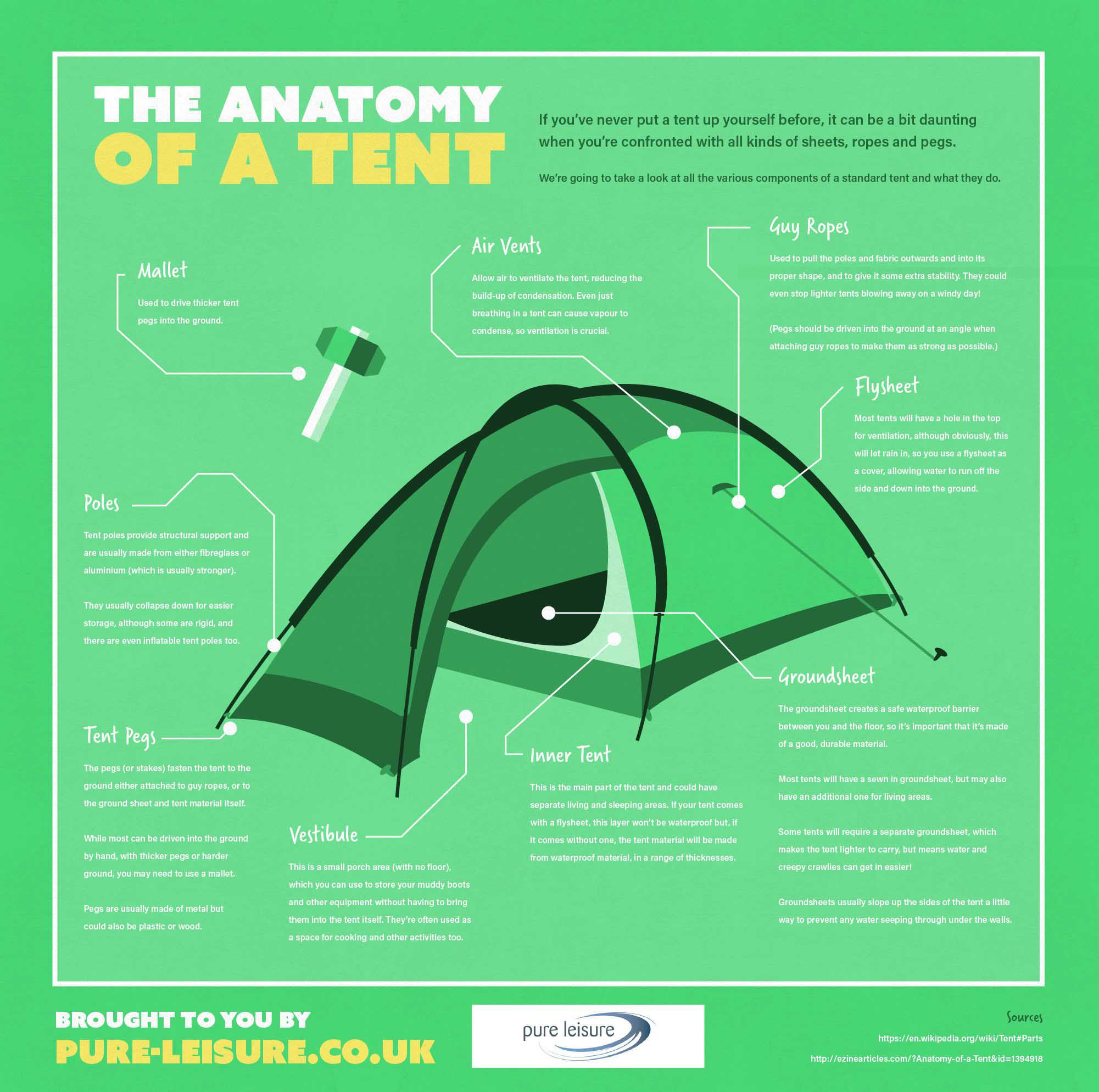
Your outdoor tents or shelter manages convection, obstructing wind and managing air movement. A four-season camping tent with proper individual lines and a complete rainfly does more to maintain you cozy than an added blanket ever before could.
The Personal Layer
Clothing and resting bags deal with both radiation and some convective loss, trapping a layer of cozy air close to your skin. This is where products like down and synthetic fill make an actual difference, each supplying various tradeoffs between heat, weight, and efficiency when wet.
The Reward of Obtaining Insulation Right
When insulation is dialed in correctly, something intriguing takes place: the season quits being the making a decision consider whether you have a good journey. A well-insulated arrangement suggests a January trip can feel equally as comfortable as a June one, and a scorching mid-day hiking boots ends up being equally as convenient as a great night. That uniformity is what separates periodic fair-weather campers from those that camp confidently all the time.
Insulation isn't extravagant. It does not show up in pictures the way a stunning camping area or a barking fire does. Yet it's the invisible structure that makes every other part of the experience possible. Master it, et cetera of outdoor camping, in any type of period, becomes much more delightful.